


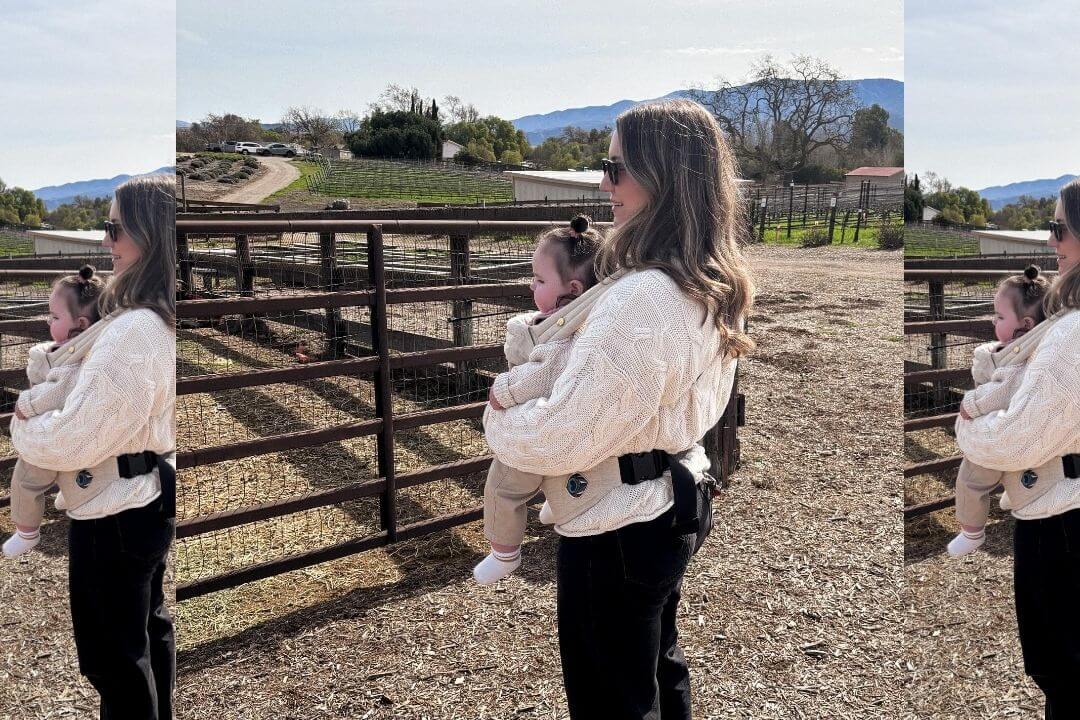
The start of a new year is always a time of looking back and looking forward. It’s time for goal setting and vision boards. But it’s also a pause, a reflection, and maybe a sentimental scroll through my photos after my kids have gone to sleep. I’ve been a mom for over a decade—so there are a lot of pics in my phone—but I’ve also been covering parenting topics for nearly as long. And from what I’m seeing, I think 2026 is looking up when it comes to parenting trends.
I also reached out to some parenting experts to weigh in on the emerging trends they’re seeing: Dr. Becky Kennedy, clinical psychologist and founder of Good Inside, and Gigi Schweikert, Parenting and Education Expert and CEO of Lightbridge Academy. With their input and expertise, here are some of the 2026 parenting trends I’m excited to embrace as we move into a new year.
Key takeaways
- The Anxious Generation book is accelerating efforts to delay smartphones, restrict social media for kids, and prioritize play-based childhoods.
- “Going analog” is emerging as a major 2026 lifestyle trend. From board games and puzzles to landlines and VHS players, families are embracing analog tools to create boundaries, reduce overstimulation, and support healthier childhood development.
- A new generation of parents has new priorities: building resilience, modeling emotional repair, and teaching real-life skills over optimizing happiness for their children.
- Parents are navigating the “digital parenting paradox” to use tech more intentionally: making their lives easier without replacing human connection.
- Overconsumption is being questioned, though not eliminated. De-influencing, secondhand gear, and more sustainable choices are growing trends, even as consumer pressure remains strong.

Dr. Becky Kennedy, clinical psychologist and founder of Good Inside
Dr. Becky is a clinical psychologist, mom of three, NYT bestselling author of Good Inside: A Guide to Becoming the Parent You Want to Be, TED speaker, podcast host, and founder of Good Inside. Through her work, she takes everything she knows about attachment, mindfulness, emotion regulation, internal family systems theory, and translates these ideas into a method for working with parents, giving parents a better way to see and solve challenges in their homes.
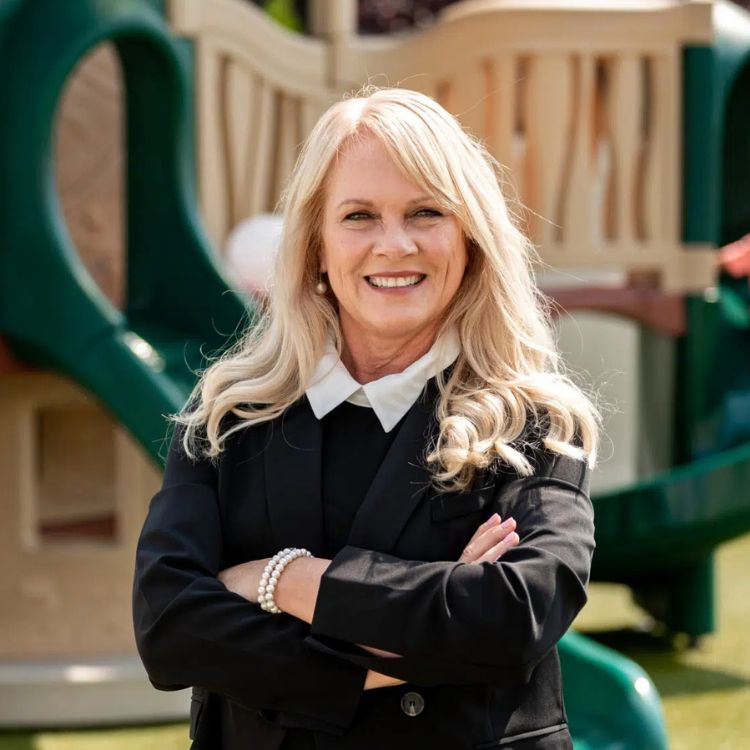
Gigi Schweikert, Parenting and Education Expert and CEO of Lightbridge Academy
Gigi is an international thought leader in early childhood education and supervision. With 30 years of experience and 18 published books, in three languages, Gigi has appeared on CBS, NBC, Fox, and the Wall Street Journal Lunch Hour News. She has been quoted in The New Times, Entrepreneur, and Forbes.
Seeing the ‘Anxious Generation’ effect
Jonathon Haidt’s best-selling book, The Anxious Generation, sparked a movement to delay smartphone use and lean into a more “play-based childhood” not only in my community but across the world. In my daughter’s elementary school, a large cohort of parents signed a pledge to wait until high school before giving kids cell phones. Across the country, school phone bans moved quickly in many states with the start of the 2025-2026 school year. In December, Australia became the first country to ban social media for kids until age 16, with other countries like Denmark considering similar restrictions. And we’ll begin to see the impact of these bans in 2026.
Additionally, Haidt’s book made me think more about the childhood I want my kids to have. I’ve tried to embrace more independence for my kids (biking to school on their own or a friend’s house) and encourage hands-on, screen-free playtime (board games are back in our house in a big way). And I’m not the only one. “I’m seeing strong momentum with families prioritizing play-based education, social-emotional development, and routines that build independence, while being far more mindful about limiting passive screen time in favor of real-world experiences,” Schweikert shared via email. Which brings me to one of the biggest trends happening beyond just parenting in 2026—going analog.

Going analog
Will analog living be the biggest trend of 2026? It just might be. For some parents, “going analog” further supports a play-based childhood and pushes back against the ever-growing world of AI and the dark corners of the internet. Families are choosing “old school” entertainment, like opting for VHS players instead of streaming services and buying landlines instead of smartphones to connect with friends and family members. For example, it was hard to miss the rise of the Tin Can kids’ phone in 2025, a landline-like phone that was featured in news headlines and within my mom group text.
Looking at the bigger picture, Dr. Becky thinks the analog trend is about craving limits, “Yes, we’re all pulled toward instant gratification—and the digital world makes that endless: one more scroll, one more email, one more question, one more level,” she shared via email. “But after a while, the endlessness starts to feel unsettling. It’s almost like living as an egg without a shell—you can spread everywhere and go on forever, but you don’t feel held.
“We’re all pulled toward instant gratification—and the digital world makes that endless…After a while, the endlessness starts to feel unsettling. It’s almost like living as an egg without a shell—you can spread everywhere and go on forever, but you don’t feel held.”
Analog life has edges: You finish the knitting row, you get to the end of the book, you complete the puzzle, you play a round of pickleball, and someone wins, and someone loses. And kids need those edges too—they rarely seek them out themselves, but they respond well when parents hold the boundaries. Limits are frustrating—it’s the opposite of instant gratification—but limits are also what help adults and kids feel safe and competent.”
Preparing kids for real life
You’ve probably seen the memes: College kids who don’t know how to address an envelope, do their own laundry, or make a doctor’s appointment. I remember thinking, That’s not going to be my kid, probably while I was folding my 10-year-old’s socks for her (I’m still learning, too.) In addition to basic adulting skills, kids also need to learn resilience to succeed in the world.
Dr. Becky sees preparing kids for real life as an exciting parenting trend for 2026: “I think parents are starting to question a long-held assumption—that their job is to make their kids happy all the time.” She adds, “When happiness is the goal, we end up optimizing for comfort…but that actually builds anxiety and fragility. I think parents are recognizing this and want more skills to help kids tolerate discomfort, not avoid it. After all, resilience is built when kids move through hard moments with support, not when those moments disappear or are given a quick exit ramp. I think parents want to move from preparing the road for their kid to preparing their kid for the road, and I’m excited about that.”
“I think parents want to move from preparing the road for their kid to preparing their kid for the road, and I’m excited about that.”
Blending parenting styles and breaking cycles
As the youngest millennials and members of Gen Z become parents, they’re not strictly adhering to one type of parenting style (i.e., gentle parenting). Rather, new parents are finding a blend of styles that works for them. A recent report from Talker Research on behalf of Kiddie Academy highlighted that the younger generation of parents is prioritizing breaking cycles from their own childhoods.
“We’re seeing newer generations of parents do things differently in very real ways,” shared Dr. Becky. “Instead of relying on punishment to control behavior, more parents are asking what skills a child is missing and how to teach them. At Good Inside, we talk about this concept of ‘authority without aggression’—and we’ve seen new generations of parents be very drawn to this.
Parents are setting boundaries while staying connected, holding limits and allowing their kid to be upset with them, and modeling something most never had from their own parents: repair,” she said. “When a parent says, ‘I didn’t handle that the way I wanted to. I’m sorry. Let’s try again,’ they’re teaching skills that last far beyond childhood.”
“Parents are modeling something most never had from their own parents: repair.”
Managing the ‘digital parenting paradox’
Another recent report identified the “digital parenting paradox” as a challenge for today’s parents. Essentially, it means we want to use the tools tech provides to make our lives easier, but we’re also worried about the potential harm. “Parenting is one of the hardest jobs there is, and parents deserve support,” shares Dr. Becky. “Technology has made work outside the home more efficient—there’s no reason parents shouldn’t benefit from tools that make parenting more manageable, too.”
Using technology intentionally could look like fostering connections in the mom group text or online community groups, or managing family schedules, reminders, and meal planning. Dr. Becky suggested a few frameworks for parents as they move into 2026:
- Use tech to take things off your plate, not to replace your relationship with your child—your kid still needs you and your full phone and tech-free attention.
- Let tech support your capacity, not your perfectionism. The right guidance helps you show up more like the best version of yourself…not a mimicked version of someone else.
- Set a few tech-free family rhythms. Decide where your phone goes when you walk in the door, make the first few minutes after school phone-free, and build in analog rituals—board games on weekends, walks, cooking together, etc.
“The biggest watch-out as we head into 2026 is balance,” added Schweikert. “Parents can use AI most effectively as a supporting tool, not a substitute to replace human interaction, play, or creativity. For young children, especially, real-world experiences, relationships, and unstructured play should always come first.”
Reducing overconsumption and making more sustainable choices
De-influencing is a growing trend online, and parents are leaving behind Pinterest-perfect living spaces, curated kids’ outfits, and kids’ birthday party themes (hey, I am all for welcoming back the ‘90s-era kids pizza party.)
New moms are opting for saving on second-hand baby gear through family, friends, and community groups. Recently, the popular baby registry site Babylist even added “open to second-hand” and a “second hand fund” as options for expectant parents creating their baby registries.
Of course, overconsumption is still rampant. I’m not immune to wanting the latest comfy loungewear set, not to mention my 10-year-old’s Christmas list included a $90 sweatshirt, $45 water bottle, and $30 Sephora product. So thinking through needs versus wants and making more sustainable choices is something we’ll all be working on in 2026.
Looking forward
“A new year is a great time to pause and ask, ‘What’s working and what isn’t?’ And then to give yourself permission to try something different,” shared Dr. Becky. “It’s never too late to make a change, whether that means no screens in the bedroom, working on holding boundaries even when your kid is upset, or modeling repair and forgiving yourself for the moments that didn’t go the way you hoped.”
She added, “I hope parents continue to empower themselves and elevate the role of parenting by seeking out education, resources, and support. Parenting is a really important job, and parents deserve tools that help them do it well.” Couldn’t have said it better myself, Dr. Becky. Here’s to a great 2026 for all of us doing our best at the most important job in the world.

Kathy Sisson, Senior Editor
Kathy Sisson has been a key contributor in the editorial parenting space for eight years, not only as a full-time editor at The Everymom but previously as a freelance writer for top parenting sites, including Scary Mommy, Motherly, Parent Co., and more. As an editor at The Everymom, she has produced hundreds of articles on a range of parenting topics, reviewed dozens of family-focused products, interviewed leading experts in the children and parenting world, and created viral parenting social media content. A mom of two, she is committed to sharing the honest, helpful, and often humorous stories of motherhood.
